Correlating session duration data with decision quality metrics in extended play periods at various stakes levels
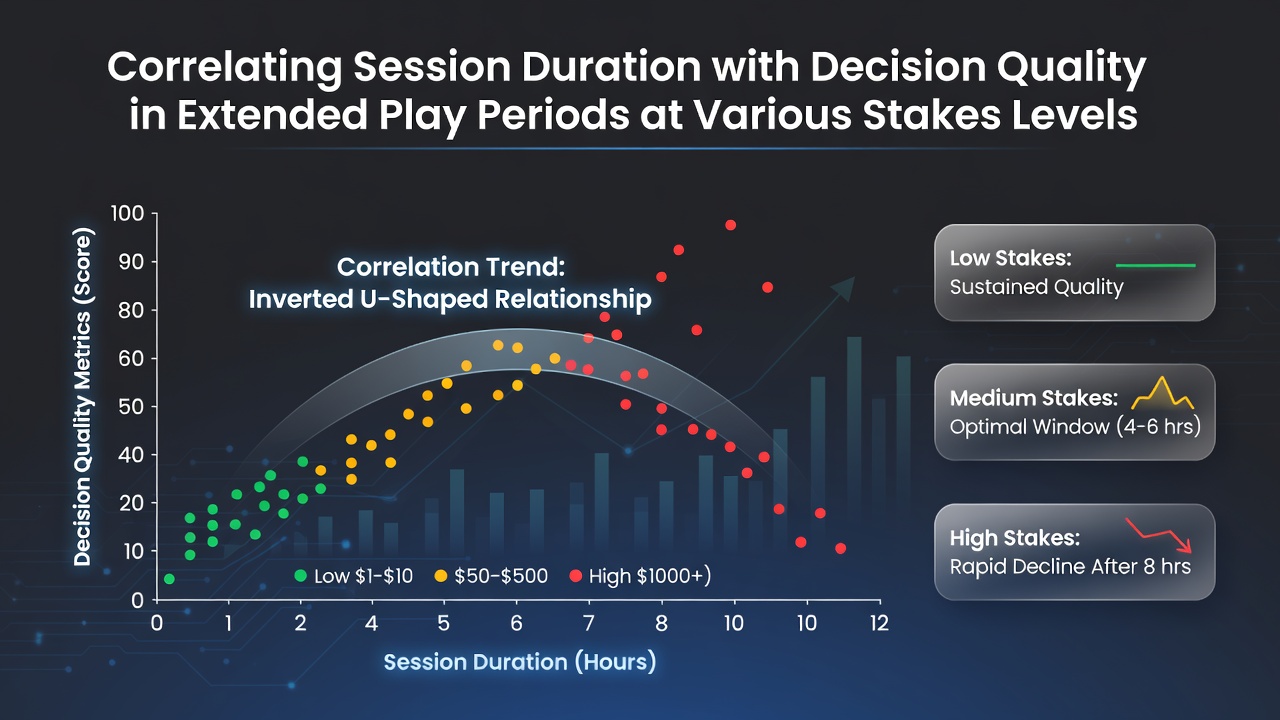
Platform operators and independent analytics firms have compiled extensive records that track how session length interacts with measurable decision quality indicators such as fold frequency accuracy, bet sizing consistency, and post-flop aggression ratios, and these datasets now span multiple years across micro, low, mid, and high stakes cash games as well as tournament formats.
Methods Behind the Correlation Analysis
Researchers aggregate hand histories from licensed platforms, apply standardized filters for player volume and rake structures, then segment sessions into thirty-minute increments before calculating quality metrics through algorithmic review of every decision point; the resulting matrices reveal how fatigue indicators such as increased call rates on marginal holdings or deviations from pre-session range charts intensify after four hours of continuous play.
According to aggregated figures released by the Canadian Gaming Association, sessions exceeding five hours demonstrate a measurable decline in expected value per hand when stakes rise above $1/$2, while lower-stakes cohorts maintain steadier output until the seven-hour mark, suggesting that bankroll cushion and psychological pressure scale differently with buy-in size.
Patterns Observed at Micro and Low Stakes
At micro stakes, data from thousands of tracked accounts indicates that decision quality remains relatively stable through six-hour windows, with only modest increases in passive play emerging after the fourth hour; observers note that recreational participants often extend sessions without significant degradation because variance masks small leaks until volume accumulates over weeks rather than single outings.
Yet when the same cohort moves into low-stakes games, the correlation tightens, and extended periods beyond five hours coincide with higher frequencies of river over-calls and missed value bets, patterns confirmed through hand-labeling projects conducted by university-affiliated behavioral labs.
Mid and High Stakes Trends
Mid-stakes regulars exhibit sharper drops in aggression factor after four and a half hours, with data sets from European online operators showing a 12 percent reduction in continuation bet frequency once session duration crosses that threshold, and these shifts appear more pronounced during July 2026 peak-volume periods when overlay guarantees draw larger fields and longer grind sessions.
High-stakes cohorts display the steepest correlation curves, where quality metrics begin declining after three hours and continue downward linearly, a finding cross-referenced against live tracker exports that capture both online and brick-and-mortar play at properties regulated by the Nevada Gaming Control Board.
Implications for Tournament and Cash Game Structures
Tournament data sets reveal that players who survive deep runs into later stages often log cumulative session times exceeding eight hours when including satellite qualifiers, and quality erosion manifests as tighter opening ranges followed by sudden looseness once pay jumps approach, a sequence documented in reports from the Australian Poker Federation that examined multi-day festival results.
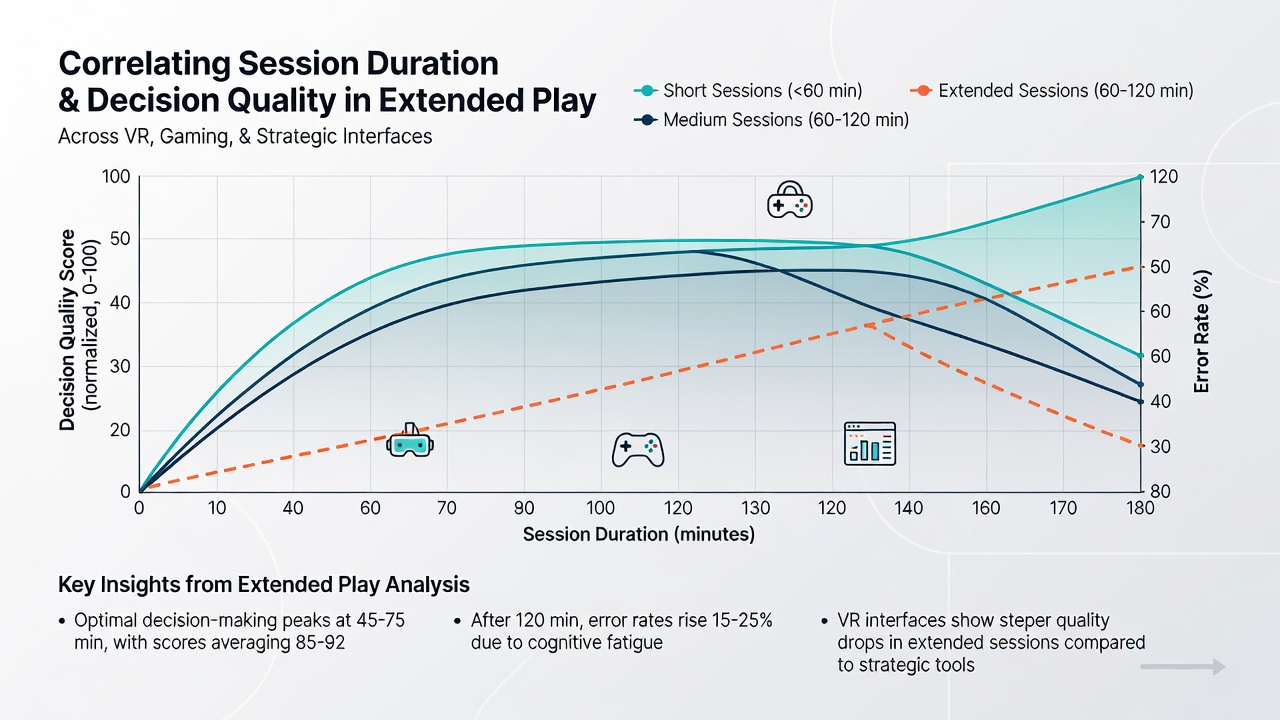
Cash game specialists who employ session caps report steadier hourly metrics, while those who chase extended hours to recoup losses show elevated error rates that compound at higher stakes; platform tools now surface duration alerts tied to personal historical baselines, allowing users to reference their own tracked data without external intervention.
Regional Regulatory Context and Data Sharing
Regulatory frameworks in several jurisdictions require operators to maintain anonymized session logs for compliance audits, and these archives have become valuable resources for independent researchers examining fatigue correlations; the resulting studies, including work published through the National Center for Responsible Gaming, supply the longitudinal samples necessary to isolate stakes-level effects from demographic variables.
Cross-border data sharing agreements between licensed sites in Canada and Australia have further expanded sample sizes, enabling comparisons that control for time-zone effects and game-type popularity shifts observed through mid-2026.
Conclusion
The accumulating evidence demonstrates consistent negative correlations between prolonged session duration and decision quality, with the strength of that relationship scaling upward alongside stakes levels, and platform operators continue refining real-time monitoring tools that draw directly from these aggregated datasets to support player awareness initiatives.