Exploring Hand Range Adjustments Based on Opponent Database Profiles in Online Cash Game Settings
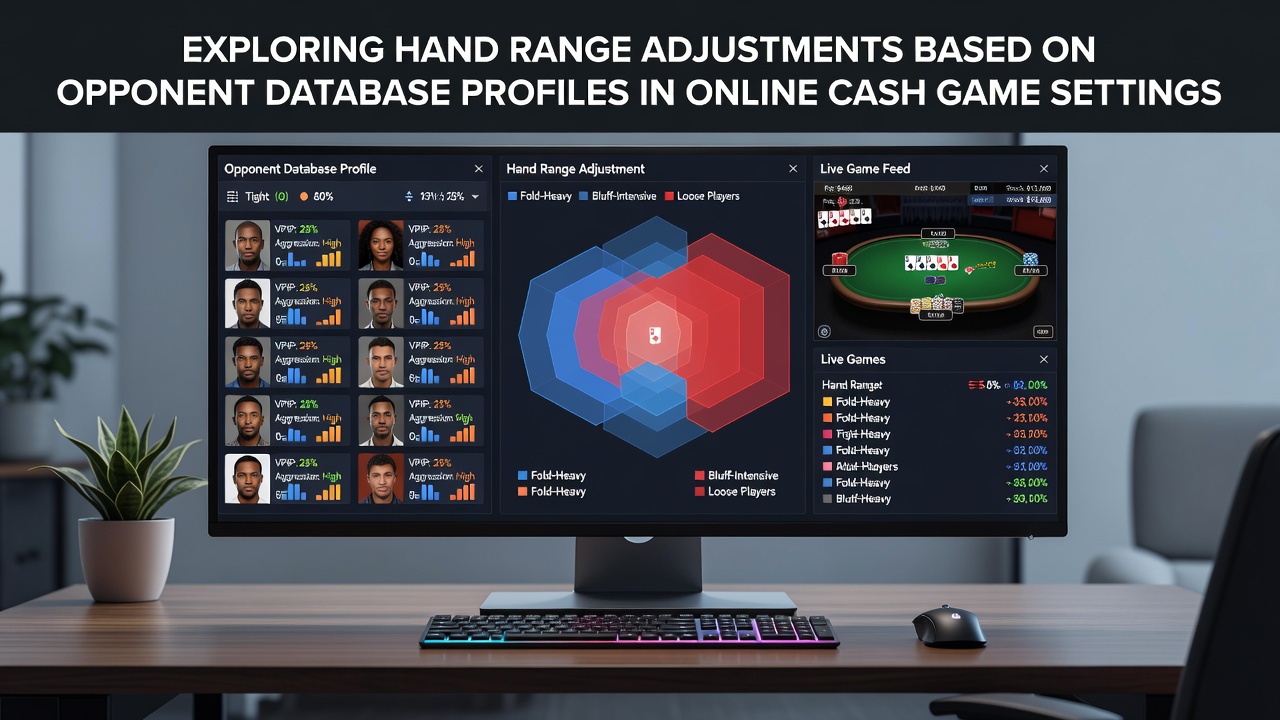
Online cash game players have long relied on database tools to compile detailed opponent profiles from hand histories, and these records now shape precise range adjustments at every street. Software packages aggregate millions of hands across platforms, producing metrics such as VPIP, PFR, and aggression frequency that reveal how frequently each opponent enters pots or applies pressure. Researchers at institutions tracking digital gambling behavior have documented steady growth in the use of such profiles since the mid-2010s, with data volumes expanding further as more jurisdictions license online poker rooms.
Building Reliable Opponent Profiles
Database construction begins when a player imports hand histories into tracking software, allowing the program to calculate baseline statistics over thousands of hands. Observers note that sample sizes below five hundred hands often produce volatile numbers, whereas profiles exceeding ten thousand hands stabilize around consistent tendencies. Those who study player pools across major sites report that regulars frequently filter results by stake level and game type, isolating cash-game-specific data to avoid mixing tournament dynamics into their reads.
Key indicators include fold-to-three-bet percentages, continuation-bet frequency on different board textures, and river calling ranges. Analysts at the International Center for Gaming Regulation have examined how these figures correlate with actual profitability, confirming that players who maintain updated databases achieve measurable edges when they adjust opening ranges accordingly.
Range Adjustments in Real Time
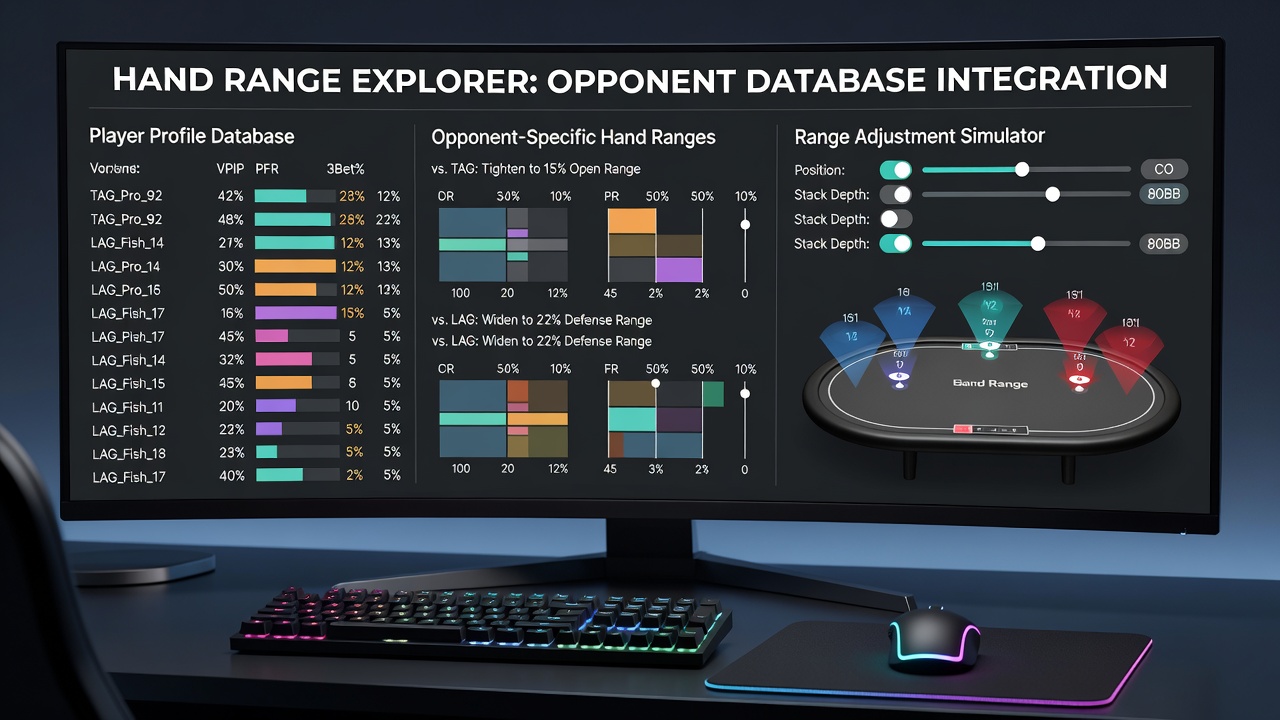
Once a profile is established, adjustments occur both pre-session and during play. A player facing an opponent with a 12 percent VPIP might tighten their own three-bet range while widening value bets on later streets, because historical data shows that opponent rarely continues without premium holdings. Conversely, profiles displaying high VPIP combined with low fold-to-continuation-bet rates prompt wider bluffing ranges on dry boards where the data indicates frequent folds.
Software overlays now display color-coded ranges that update dynamically as new hands are logged mid-session. This integration allows immediate exploitation: for example, when an opponent’s aggression factor spikes above 4.0 over a recent five-hundred-hand sample, many regulars reduce their calling ranges on the turn and river until the aggression normalizes.
Regional Data Patterns and July 2026 Updates
Geographic differences appear in the way profiles are applied. European players often face pools with higher rake structures, leading them to emphasize fold equity adjustments more aggressively than North American counterparts. Reports compiled by the New Jersey Division of Gaming Enforcement show that cash-game rake caps influence how frequently players defend blinds when facing database-identified nits.
By July 2026 several major platforms plan to introduce enhanced filtering options that separate anonymous tables from identified player pools, giving users cleaner data sets for range construction. Academic researchers publishing in the Journal of Gambling Studies have already begun analyzing preliminary test data from these features, noting improved statistical reliability when anonymous hands are excluded from long-term profiles.
Practical Examples from Cash Game Sessions
Take one regular competing at mid-stakes on a European-licensed site who noticed an opponent’s river bet frequency dropping sharply after the first three hours of a session. Cross-referencing the profile revealed that this player over-folded to large bets once stack depths fell below 80 big blinds, prompting the regular to increase bluff sizes on the river in subsequent hands.
Another case involved a player who adjusted pre-flop opening ranges against a database-identified loose-passive opponent. Instead of the standard 18 percent opening range, the player expanded to 26 percent, targeting hands that performed well in multi-way pots because historical data showed the opponent rarely three-bet or folded to continuation bets.
Limitations and Ongoing Refinements
Database profiles carry inherent limitations when sample sizes remain small or when opponents frequently switch tables to reset statistics. Industry groups such as the European Gaming and Betting Association have highlighted the importance of combining database reads with real-time observation, because automated adjustments alone can miss timing tells or sudden strategy shifts.
Players also encounter challenges when facing new entrants to a pool whose profiles lack sufficient hands. In these situations many regulars default to population tendencies while logging new data, gradually replacing generic ranges with individualized adjustments as the sample grows.
Conclusion
Hand range adjustments grounded in opponent database profiles continue to evolve alongside software capabilities and regulatory changes across licensed markets. Data from government agencies and academic studies alike demonstrate that systematic use of these tools produces measurable improvements in decision accuracy when sample sizes are adequate and adjustments remain flexible. As platforms introduce new filtering options in 2026, the precision of such profiles is expected to increase, further embedding database analysis into standard cash-game strategy across regions.