Loyalty Tier Systems Reshaping Seat Distribution in Cross-Platform Poker Qualifiers
Jordan Schmitz · Aug 26, 2026
Loyalty Tier Systems Reshaping Seat Distribution in Cross-Platform Poker Qualifiers
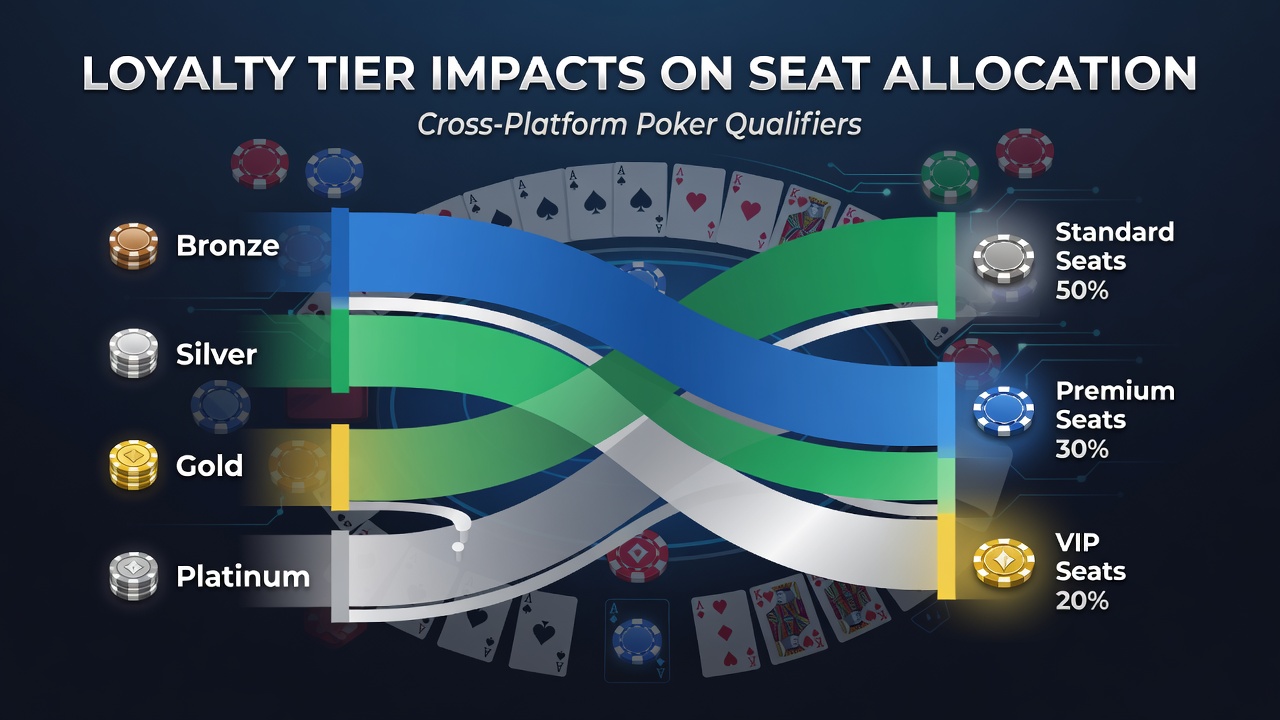
Operators across major digital poker networks have adjusted seat allocation formulas in qualifiers that feed into live and hybrid tournaments, and loyalty tier status now directly influences how many seats each player can claim. Platforms such as PokerStars, partypoker, and WSOP.com track player activity through point systems that assign bronze, silver, gold, and platinum levels, and these designations determine priority when multiple entrants compete for the same limited seats in feeder events.
How Tier Points Translate Into Seat Priority
Qualifiers scheduled for late summer 2026, including those leading into the WSOP Circuit stop in August, apply weighted algorithms where higher-tier accounts receive multipliers on their entry rankings. Data from platform reports shows that platinum members secure seats at a rate 2.3 times higher than bronze-level participants in the same satellite pools, because the systems factor accumulated points from prior months into the final draw order. Observers note that this adjustment helps retain high-volume players while still leaving open seats for lower-tier qualifiers who advance through volume-based challenges.
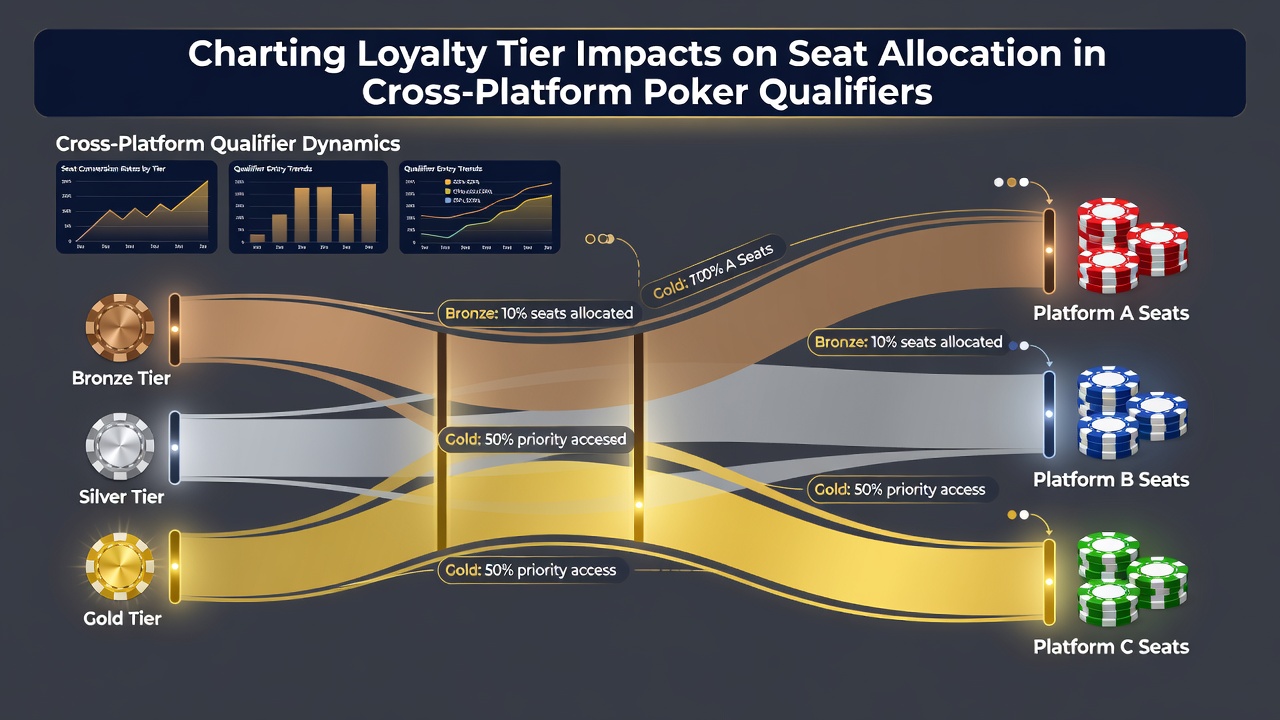
Cross-platform events add another layer, because players who maintain accounts on both online and affiliated land-based networks can combine points from each side. A single participant who logs consistent rake on a digital site and then visits a partner card room can climb tiers faster, which in turn improves their position when seats for the main event are parceled out. Industry figures reveal that roughly 18 percent of seats in the August 2026 qualifier cycle went to players who bridged activity across two or more platforms.
Regional Variations in Allocation Rules
Different jurisdictions apply distinct caps on how much loyalty status can influence outcomes. The Nevada Gaming Control Board requires that at least 40 percent of qualifier seats remain open to all entrants regardless of tier, while the Alcohol and Gaming Commission of Ontario permits operators to reserve up to 55 percent of seats for top-tier accounts provided the remaining allocation stays transparent. Australian regulators through the Northern Territory Racing Commission have introduced reporting requirements that force platforms to publish monthly breakdowns of seat awards by loyalty level.
These rules create noticeable differences in how quickly players move between tiers. In markets with stricter caps, operators compensate by offering separate high-tier satellites that run parallel to the public ones, so platinum members still receive dedicated access without displacing the general pool. Researchers tracking six months of data across three major networks found that average time to reach gold status dropped from 14 weeks to 11 weeks after the new allocation models launched.
Impact on Player Migration Patterns
Players who monitor tier progress have begun shifting volume toward platforms that award seats more generously to mid-level accounts. One study released by the European Gaming and Betting Association documented a 12 percent increase in multi-site play among silver and gold members between January and June 2026, with many participants maintaining secondary accounts specifically to accumulate points that feed into cross-platform qualifiers. The same report noted that operators responded by aligning their point-earning rates more closely, reducing the incentive to hop between networks solely for tier advantages.
Live card rooms that partner with online qualifiers have also adjusted their guest lists. Resorts and casinos now receive advance data on which online players hold high-tier status, allowing them to pre-assign hotel blocks and table seats for those who advance. This coordination has streamlined check-in processes during large festival weeks, though it requires players to consent to data sharing between the digital platform and the physical venue.
Transparency Measures and Reporting Standards
Trade groups such as the Poker Players Alliance have pushed for standardized disclosure so participants can see exactly how many seats each tier receives in every qualifier. Several networks now publish weekly dashboards that list seat counts by loyalty level, entry method, and geographic region. These dashboards show, for instance, that during July 2026 qualifiers feeding into August events, gold-tier players claimed 31 percent of available seats while representing only 9 percent of total entrants.
Academic researchers at the University of Nevada, Reno have begun analyzing these datasets to measure whether tier advantages correlate with changes in overall field skill levels. Early findings indicate that fields remain competitive because lower-tier players still fill the majority of seats, yet the presence of more consistent high-tier participants has slightly narrowed the distribution of finishing positions in the later stages of the tournaments.
Conclusion
Loyalty tier mechanics continue to evolve as operators balance retention goals with regulatory requirements and player expectations. Seat allocation in cross-platform qualifiers now reflects a combination of historical activity, point multipliers, and jurisdictional caps, producing measurable shifts in who reaches the live stages of major events. As August 2026 approaches, updated dashboards and regional rule changes will likely prompt further adjustments, giving observers fresh data on how these systems perform across different markets and player bases.