Navigating Freeroll Circuits: How Online Platforms Link Bonus Structures to Live Casino Poker Variant Transitions
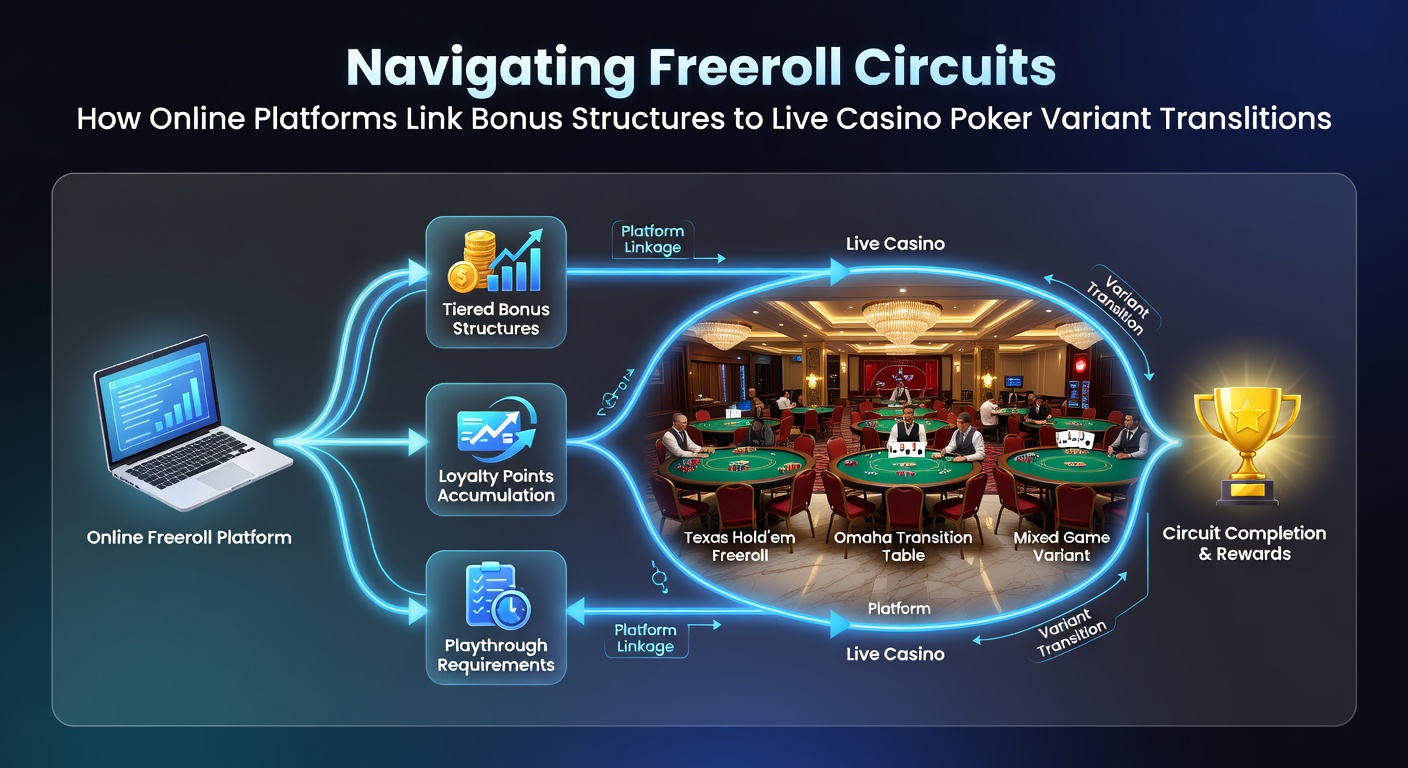
Freeroll circuits have become central to how online poker platforms structure incentives that guide participants toward live casino environments and variant-specific play. These systems tie entry-level bonus rewards to performance milestones that unlock pathways into physical venues offering games like pot-limit Omaha or mixed-limit formats. Research from industry tracking services shows that platforms integrate loyalty points earned in freerolls directly with live-event registrations, creating measurable flows between digital sessions and casino floors.
Bonus Mechanics That Drive Variant Transitions
Online operators design bonus structures where accumulated freeroll earnings convert into credits usable at live tables, and this linkage encourages players to explore poker variants they first encountered virtually. Data indicates that when a platform awards a bonus multiplier for completing a series of low-stakes freerolls, many participants then register for live tournaments featuring those same variants at partner casinos. Observers note that the conversion rates climb noticeably when the bonus includes waived entry fees or travel stipends for specific live events scheduled in major markets.
Platforms track player behavior across sessions to match bonus tiers with live variant preferences, so someone who consistently plays online stud games receives targeted offers for live seven-card stud circuits. This approach relies on algorithmic pairing rather than random promotions, and figures from platform analytics reveal higher transition success when bonuses tie directly to the variant a user has practiced most in freerolls. What's interesting is how these systems update in real time, adjusting offer values based on upcoming live schedules released each quarter.
Live Casino Integration Patterns Emerging in 2026
By May 2026 several major operators are expected to synchronize freeroll leaderboards with live poker room calendars, allowing bonus redemption at venues that host rotating variant nights. Casinos in key jurisdictions have begun sharing player data streams with online partners under regulated agreements, which lets platforms verify live participation and release remaining bonus portions only after a set number of hands in the target variant. This verification step reduces bonus abuse while reinforcing the path from online practice to live execution.
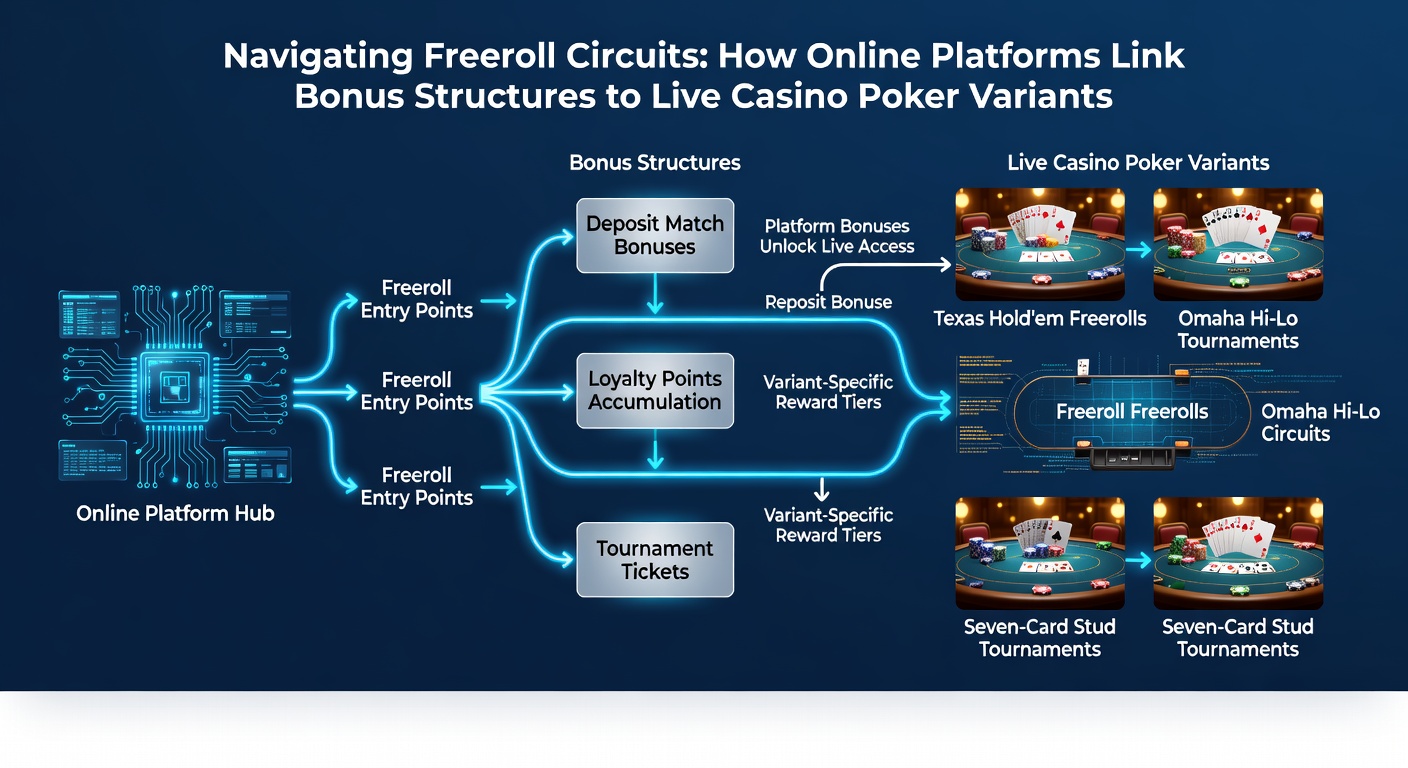
Regulatory frameworks in North American and European markets support these transitions through licensing that permits cross-platform reward sharing. A report published by the Nevada Gaming Control Board outlines how licensed operators must maintain transparent records of bonus-to-live conversions, ensuring player funds move through audited channels. Similar guidelines appear in documentation from the Alcohol and Gaming Commission of Ontario, which tracks how online bonuses influence attendance at live mixed-game events. These rules create consistent reporting standards that platforms use to refine their freeroll circuits without disrupting established player flows.
Player Pathways and Platform Strategies
Individuals who advance through multiple freeroll levels often receive variant-specific coaching modules or seat reservations at live tables, and this layered incentive model keeps engagement high across both environments. Platforms deploy segmented leaderboards that highlight top freeroll performers and automatically generate personalized live-event invitations tied to the poker variants those players favor. Studies of transaction logs demonstrate that when bonuses include hotel or travel components, the rate of first-time live participation rises compared with cash-only rewards.
Operators also experiment with hybrid qualifiers where online freeroll results feed into live satellite tournaments, allowing top finishers to bypass standard buy-ins. This structure benefits players who have developed skills in less common variants through repeated online exposure, and it supplies casinos with a ready pool of entrants familiar with the game rules. Industry organizations such as the European Casino Association have documented how these hybrid events increase overall table utilization during slower mid-week periods.
Conclusion
Freeroll circuits continue to serve as structured bridges between online bonus ecosystems and live casino poker variants by aligning reward mechanics with verifiable participation at physical tables. As operators refine data-sharing practices and regulatory bodies maintain clear oversight, the pathways from digital freerolls to live variant play remain both measurable and adaptable. Platforms that maintain transparent conversion rules and variant-specific incentives are positioned to sustain steady player movement across formats throughout 2026 and beyond.