Player migration patterns between virtual and physical mixed-game formats reveal unexpected skill transfer dynamics in emerging markets

Player movement between online platforms and physical card rooms has accelerated in emerging markets since 2023, with mixed-game formats serving as a key bridge. Data from licensed operators in Southeast Asia and Latin America shows consistent flows where participants alternate between digital mixed variants such as hold'em, omaha, and stud and their live counterparts at regional venues. Figures released through mid-2026 indicate that these shifts occur at higher rates than single-variant poker transitions, creating measurable changes in how skills develop across environments.
Regional data on cross-format participation
Markets including the Philippines, Brazil, and Vietnam recorded increased hybrid activity during the first half of 2026. Regulatory filings from PAGCOR document a 22 percent rise in player registrations that include both online mixed tournaments and live sessions at partnered card rooms. Similar patterns appear in Brazilian state reports where operators track accounts used across virtual and physical sites. Observers note that these numbers concentrate among players who compete in at least three mixed-game disciplines rather than single-form specialists.
July 2026 updates from venue operators in Ho Chi Minh City and Manila further highlight seasonal spikes that align with local festival periods, when online volume dips and live attendance climbs before reversing within weeks. The pattern repeats across multiple jurisdictions without requiring regulatory changes, suggesting structural drivers tied to prize structures and schedule flexibility.
Skill transfer mechanisms in mixed formats
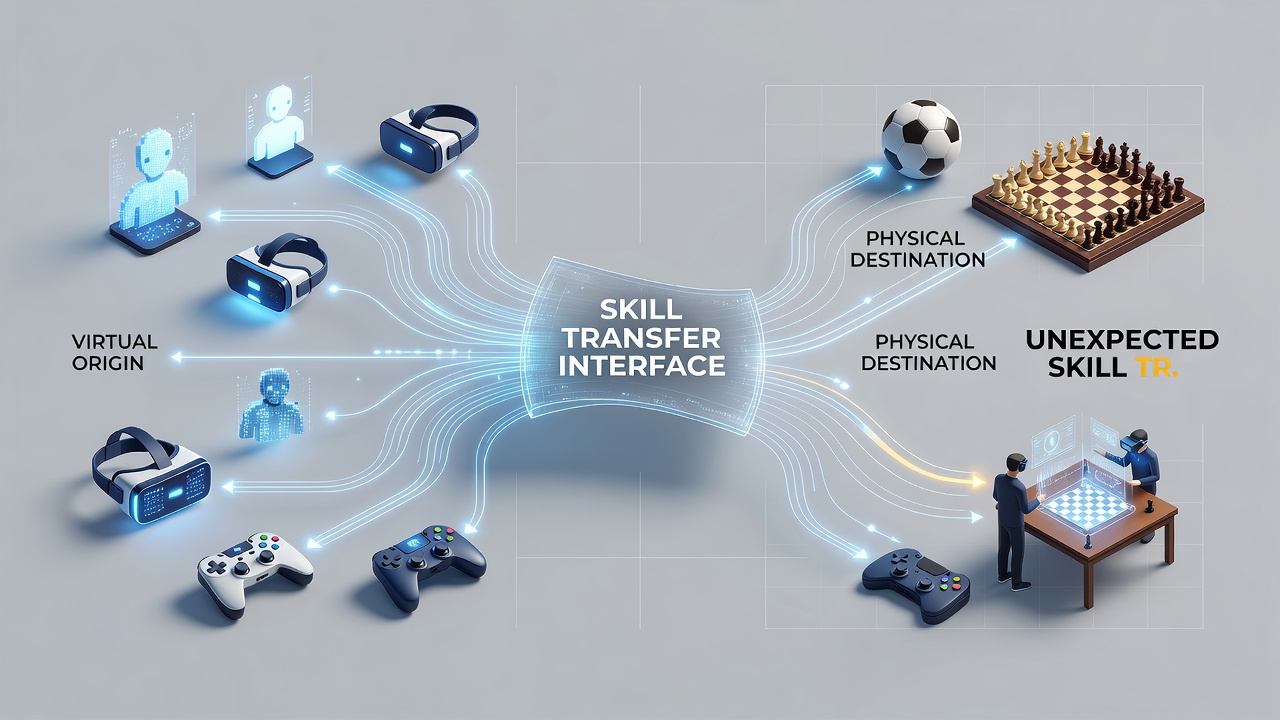
Researchers tracking hand histories and session logs have identified transfer effects that extend beyond basic game rules. Players who begin in online mixed games often demonstrate faster adaptation to live betting rhythms once they enter physical rooms, while those who start live bring stronger physical read integration when they return to digital interfaces. Studies compiled by academic groups in Australia show performance gaps narrowing within eight to twelve weeks of consistent cross-format play, particularly in rotation events where participants switch variants mid-session.
One dataset covering 14,000 accounts across licensed platforms revealed that mixed-game regulars maintained higher consistency in hand-range construction when moving between formats compared with specialists focused on a single variant. The effect appears strongest in emerging-market cohorts where access to both environments expanded rapidly after 2024 licensing rounds. Operators report that these players also exhibit reduced variance in results during the first month of live exposure, pointing to preparatory advantages gained from online volume.
Platform and venue responses
Operators have adjusted scheduling and bonus structures to accommodate observed flows. Several Manila-based rooms introduced mid-week mixed-game satellites that feed directly into online leaderboards, creating seamless entry points for players already active on partnered apps. In Brazil, state-licensed sites added live-stream overlays that mirror online table interfaces, reducing the visual adjustment period for incoming participants.
Training programs offered through regional gaming associations now incorporate dual-environment modules that simulate both latency conditions and physical tells within the same curriculum. Participation in these modules correlates with higher retention rates among new cross-format players, according to internal metrics shared by two major operators in the region.
Measurement challenges and available metrics
Quantifying exact skill transfer remains difficult because platforms use different hand-tracking standards. Aggregated reports nevertheless show consistent directional trends when normalized for volume and variant mix. University-led analyses in Southeast Asia have begun standardizing metrics around expected value retention across format switches, providing a framework that regulators in multiple jurisdictions have referenced in 2025 policy reviews.
Continued expansion of mixed-game offerings through 2026 is expected to supply additional datasets. Current indicators suggest the migration patterns will sustain as long as prize pools and scheduling remain coordinated between virtual and physical segments.
Conclusion
Player migration between virtual and physical mixed-game formats has produced documented skill transfer patterns in emerging markets through 2026. Regional data, operator adjustments, and academic tracking collectively illustrate how these movements reshape performance baselines without relying on single-environment specialization. Ongoing measurement efforts will clarify the durability of these dynamics as participation volumes continue to grow.