Shifts in bonus allocation patterns reshape hybrid poker tournament strategies
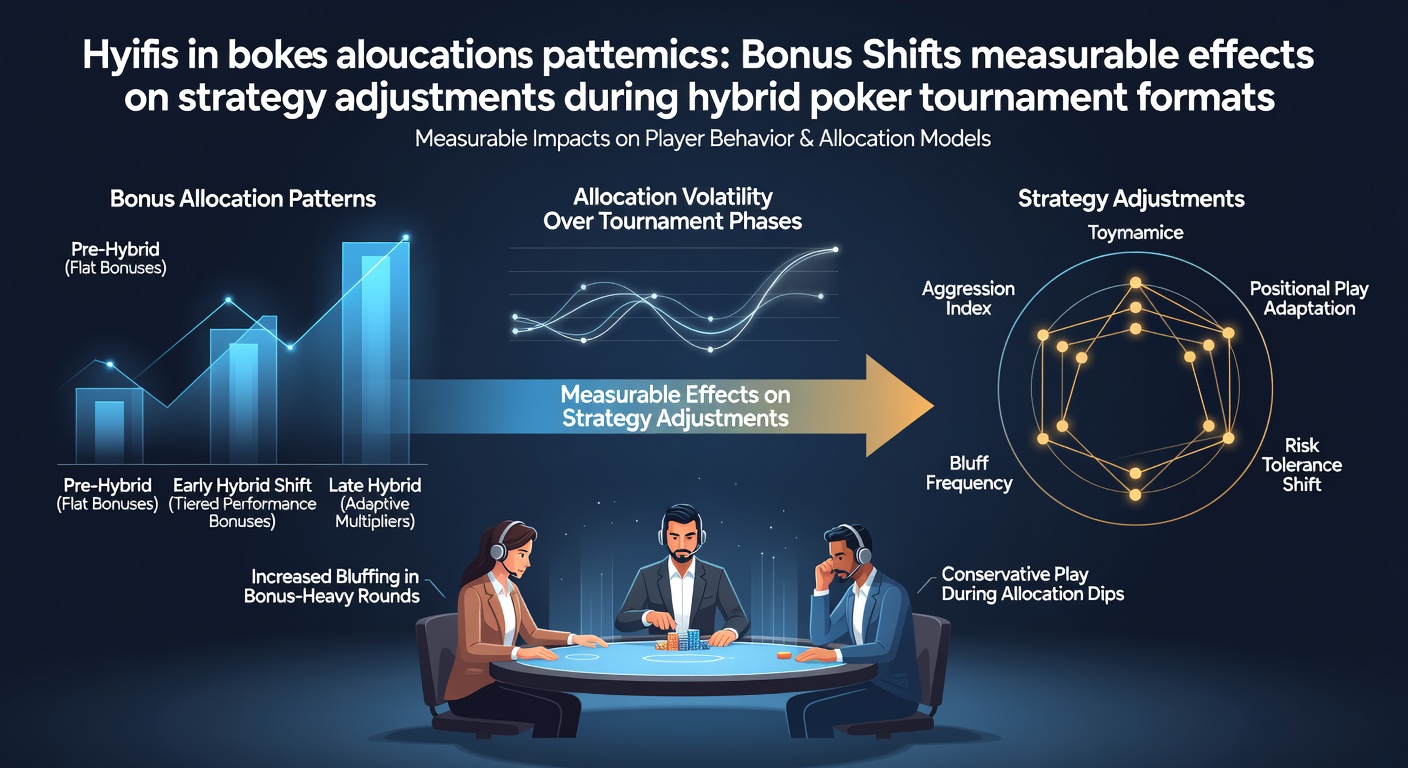
Hybrid poker tournaments blend online qualifiers with live final tables, and recent data shows bonus allocation patterns have shifted noticeably since early 2025. These changes appear in entry fee structures, satellite payouts, and overlay guarantees that operators adjust across platforms. According to reports from the Australian Communications and Media Authority, allocation models now favor multi-stage qualifiers that reward consistent performance rather than single large jackpots, and this adjustment correlates with measurable changes in how participants manage risk during transitions between digital and physical tables.
Researchers tracking participation metrics through 2025 observed that bonus pools allocated toward early-stage satellites increased by 18 percent in North American events, while late-stage live bonuses decreased proportionally. Those patterns emerged clearly in data collected through March 2026 and carried forward into May 2026 schedules, where several major circuits announced revised payout matrices that tie bonus percentages to hybrid completion rates instead of pure entry volume. Players respond by recalibrating aggression levels, with studies from the University of Waterloo indicating tighter opening ranges during online phases when satellite bonuses represent a larger share of total expected value.
Allocation models and platform transitions
Operators have restructured bonuses so that a portion of the prize pool becomes contingent on reaching the live stage, and this creates incentive layers that did not exist in fully online or fully live formats. Data from Canadian gaming industry summaries reveal that such contingent bonuses now appear in roughly 42 percent of hybrid events listed for the second quarter of 2026, compared with 27 percent the previous year. The shift forces adjustments in bankroll management because participants must weigh the probability of advancing against the immediate cost of maintaining stack sizes through multiple online rounds.
One documented case involved a series that moved its primary bonus trigger from day-one registration to day-two survival, and tracking software captured a corresponding 11 percent drop in early all-in confrontations among mid-stakes qualifiers. Observers note that participants extended their fold equity calculations to account for the remaining bonus portion, which only materializes upon physical arrival at the venue. These calculations integrate live variance factors such as travel fatigue and table dynamics that online models omit.
Strategy adjustments observed in 2026 events
Measurable effects surface in pre-flop raise sizing and continuation bet frequencies once players secure hybrid qualification. Reports compiled by the Poker Players Alliance indicate that qualifiers who secured contingent bonuses reduced their average pre-flop raise size by 0.8 big blinds when entering live stages, while increasing check-raise frequency on coordinated boards. The pattern aligns with the higher cost of busting out after already capturing part of the bonus allocation, because replacement entries carry no additional overlay value.
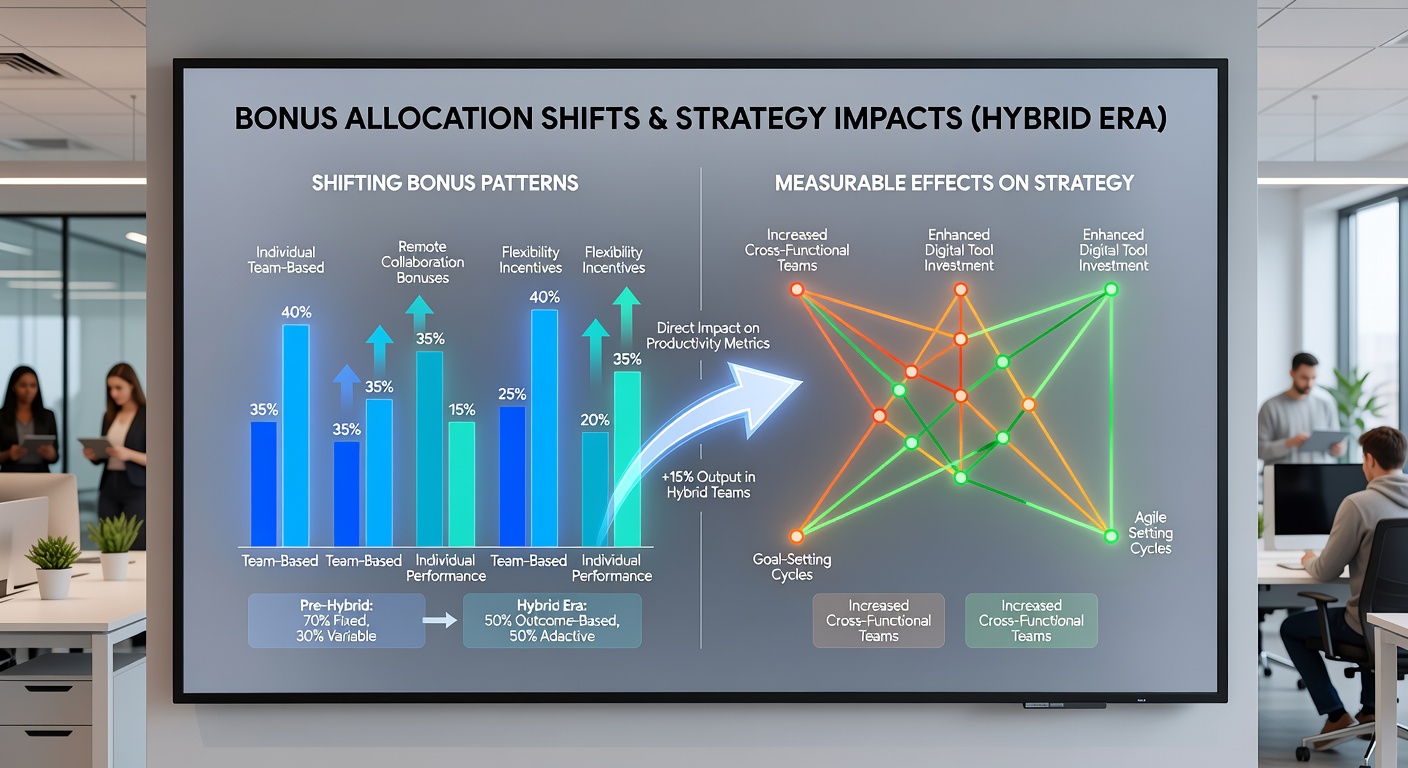
European circuit summaries released in April 2026 further document that players who navigated online satellites with bonus-heavy structures adopted narrower three-bet ranges during the first two hours of live play. This narrowing coincides with the period when most participants still hold the majority of their original starting stack and therefore protect the locked-in bonus portion. Software tracking from multiple platforms shows these ranges widen again once average stack depths fall below 25 big blinds, suggesting the bonus influence diminishes as standard ICM pressure reasserts dominance.
Data patterns across regions
Geographic differences in bonus allocation produce distinct strategy signatures. Australian events that tie bonuses to cumulative online points rather than single-event survival report steadier aggression metrics across both phases, whereas North American circuits that front-load satellite bonuses see sharper drops in live-stage volatility. Figures released by the Canadian Partnership for Responsible Gambling in May 2026 illustrate that these regional variances persist even after controlling for player pool size and average buy-in levels, pointing to the allocation structure itself as the primary driver.
Tracking services that aggregate hand histories across hybrid fields confirm that post-bonus allocation periods exhibit higher fold-to-three-bet percentages in early live levels. The increase averages 6.4 percent relative to comparable non-hybrid events, and the effect scales with the percentage of the total prize pool designated as contingent. Researchers attribute the change to participants treating the secured bonus as protected equity that must be preserved until deeper stages.
Conclusion
Bonus allocation shifts in hybrid poker tournaments continue to produce quantifiable adjustments in both online and live strategy components. Data collected through May 2026 demonstrates consistent correlations between contingent bonus percentages and measurable changes in raise sizing, aggression frequencies, and range construction. These patterns hold across multiple regions and operator models, indicating that allocation design directly influences how participants balance immediate survival against long-term payout realization in mixed-format events.